Sub-Total: $0.00
Your Guide to Safe and Happy Dog Carting
Getting Started With Dog Carting
Pulling your Sacco cart:
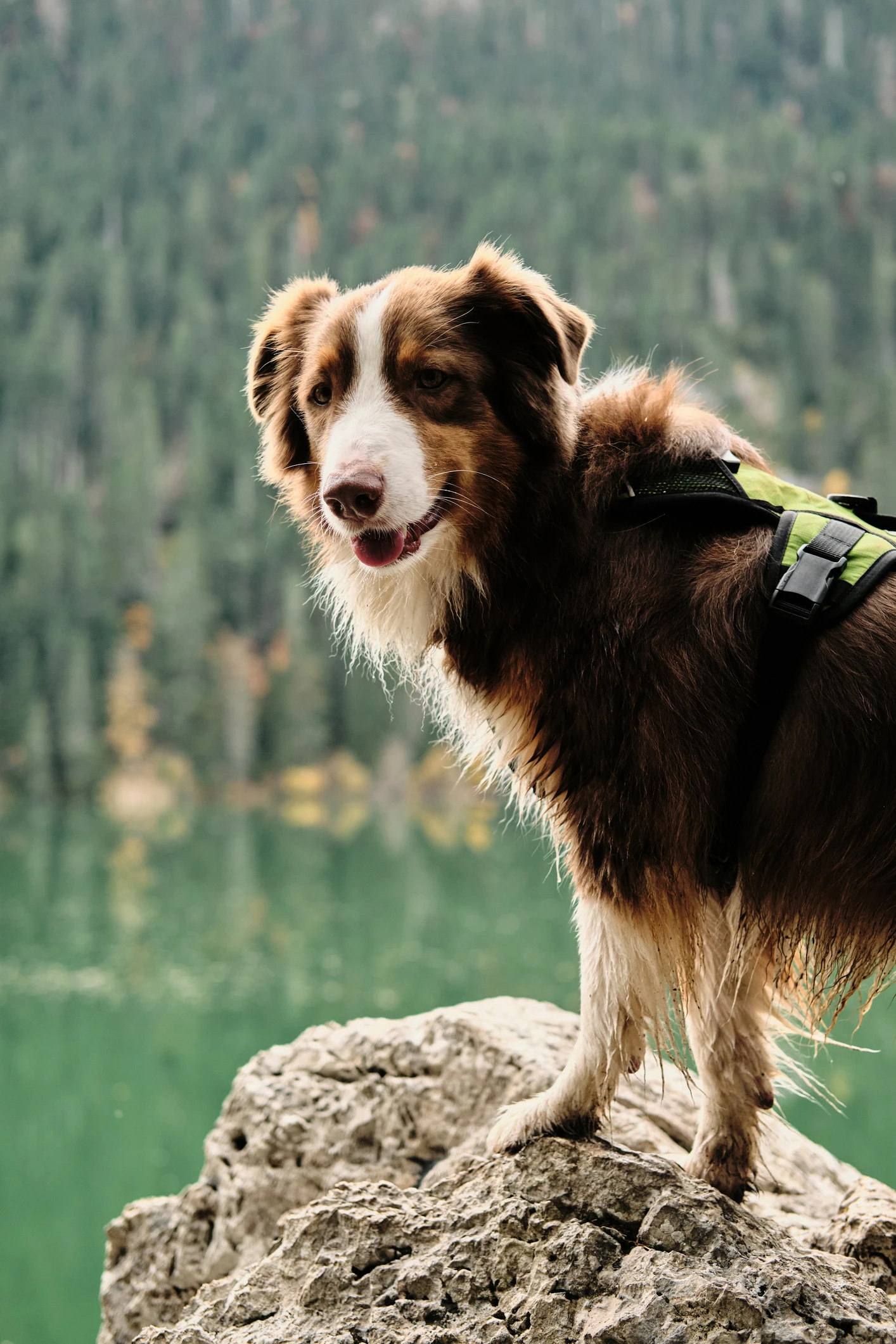
Pulling a Sacco cart is a wonderful way to condition and exercise your dog. Carting is ideal for high-energy working dogs desperately seeking purpose. This activity will challenge your dog’s mental and physical capabilities to produce a well-balanced and happy dog.
Getting Started:
A dog that has never worn a harness or pulled anything may be very wary in the beginning. At first, dogs will view carts as something chasing them. Your job as a trustworthy handler and future musher is to reassure your dog that all is well and nothing is going to "get" them. Everything about this new experience should be calm and positive. Reward your dog for behaving as if the cart was not there.
Your reward should be of high value to your dog. Time to bring out the good treats!
It is important to introduce your dog to your new cart slowly. You will know it is time to move on to the next step when your dog looks and behaves calmly and comfortably during the current step you are on. Every dog is different; some dogs may require more acclimation time than others. It is important to be patient with your dog. Each step could take minutes or hours. If you find you are not able to complete any single step, we suggest you stop and contact a professional dog trainer for further guidance and assistance. Before stopping, try to go back to the previous step your dog has mastered. Reward your dog for his accomplishment, then stop. It is very important to end training on a positive note.
Training Your Dog to Pull the Cart
- Acclimate your dog to its new harness. Let your dog wear its harness and become accustomed to putting it on and taking it off.
- With your dog wearing its harness, place it on a leash and collar. It will be best to find a large area with no traffic and very few distractions or obstacles to maneuver around. Without the cart touching the dog, walk your dog while you are pulling the empty cart by the tow bar. Do this until your dog is no longer concerned with the cart following him. Praise and reward your dog for ignoring the cart. Do not acknowledge other behavior.
- While walking with your dog, gently pull the tow bar toward the dog’s rear end. Do not act sneaky when you are doing this. You can let the sides of the bar touch the dog slightly on the back thigh and praise your dog for ignoring or enjoying this. Do this exercise until your dog is no longer concerned with the tow bar touching him.
- Same as the previous exercise, but this time slowly ease the tow bar midway up your dog’s body. Do this until you can eventually position the tow bar in the same position it would be in if it were attached to the harness. Getting accustomed to having stationary bars on both sides will take some time for your dog to get used to. Be patient and take your time. Walking straight lines will make this exercise easier.
- Your goal for this exercise is to get your dog accustomed to turning with the cart. This exercise will require you to be very clear and calm. Your dog will more than likely have a tendency to try to get out of the tow bar when going around the turn. Calmly reassure them and take turns very slowly at first. Practice this by walking and pulling your cart, holding the tow bar in the position it would be if it were attached to your dog's harness. Walk in a very large oval pattern. Do this exercise until your dog is completely comfortable around the cart.
- After your dog is completely comfortable walking with the cart, you are now ready to attach their harness to the cart. This will be the most stressful step for your dog, but as long as you have mastered the previous steps, your dog is ready. With your dog still on their leash, attach the harness to the cart. Hold the tow bar and gently pull with your dog. Encourage him slowly to take just a few calm steps; treats and calm praise are very important. Praise him for pulling with the cart. Walk in straight lines to begin, then work into turns. Do this until your dog is completely comfortable pulling the cart. Walking backwards closely in front of your dog may be helpful for the first couple of steps.
- Now add a person or some extra weight in your cart. Continue to walk next to your dog. Go slowly at first. When your dog is comfortable, try walking or jogging faster. At this point, your encouragement can be more exuberant; you are now your dog's cheerleader! This is a good time to add a command to pull. Traditionally, one uses the term "hike," but any word will work. Just use the same term every time. Work up to running with your dog pulling the cart; try to let your dog get out in front of you so he is not focused on you, but on running. Eventually work up to getting further behind your dog, back to the position you would be in if you were riding in the cart.
- When your dog wants to run out in front of you and pull the cart, you are ready to catch a ride.
- Congratulations, you are now a dog musher! Welcome to the wonderful world of carting; happy trails to you!
Mushing Lingo
| Command | Meaning |
|---|---|
| Forward | Hike |
| Right | Gee |
| Left | Haw |
| Slowdown | Easy |
| Stop | Whoa |
| To Pass | On By |
Safety Tips and Cautions
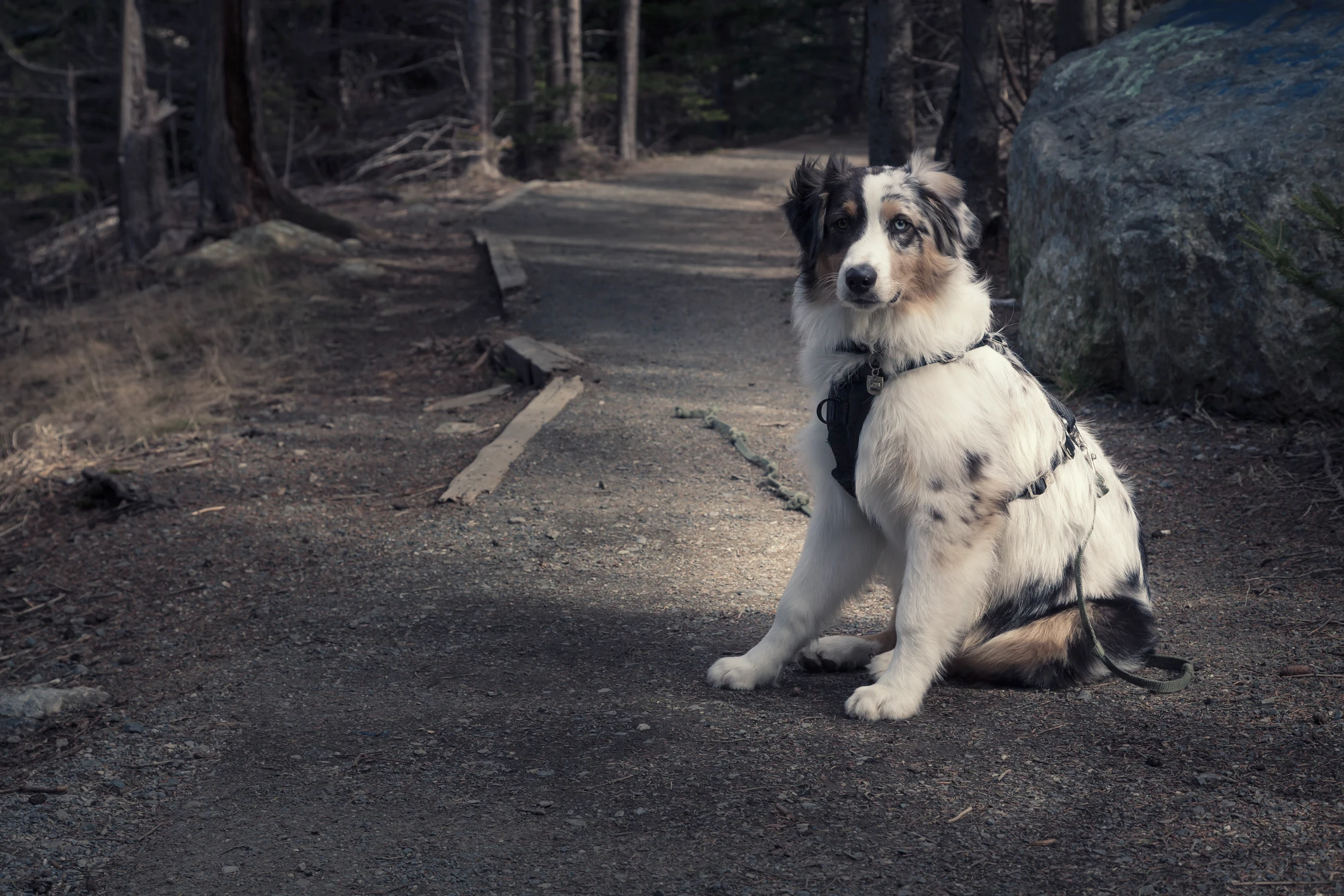
Your dog’s mental and physical well-being should be your top priority. It is very important to stay tuned into your dog while carting. Pay attention to your dog’s breathing; be sure to check their paw pads. It will take time to condition your dog to go long distances. Start with very short trips. Don't overdo it.
Your Sacco cart is designed to minimize pressure on your dog when pulling. Your dog should be at least 18 months old before pulling anything. Your dog should be at least 24 months old before pulling anything heavy or going on long strenuous journeys.
Avoiding these recommendations could injure your dog!
Get Your Furry Buddies Ready for a Carting Adventure With These Tail-Wagging Tips:
- Don't forget to pack water and a mini first aid kit to keep your pups hydrated and safe.
- Slow and steady wins the race when going downhill—use your brakes to adjust your speed.
- Uphill hikes can be paw-some for your pups, but make sure to give them a helping hand to prevent any paw pad injuries.
- For asphalt or concrete terrain, protect your pup's paws with booties or socks.
- Safety first! Always have helmets for passengers and mushers.
Overheating and Heat Safety
Keep an eye out for weather changes, especially when the temperature is rising. Dogs can easily overheat, and this can be fatal. Watch for signs of excessive panting, a swollen tongue, and a clicking noise coming from their throat. If you hear that tell-tale click, your dog is overheating and needs to cool down ASAP. DO NOT PANIC
- Find water immediately!
- Get your dog wet, head to toe.
- Find a cool area, preferably air-conditioned, but cool shady grass will work fine too.
- Take your dog's harness off.
- Remain calm.
- Let your dog drink water, but not in excess. Ice cubes are good to chew on.
Some other signs of overheating or heat stroke are very rapid panting, inattention, confusion, diarrhea, dizziness, vomiting, and/or weakness.
We wish you a happy mushing adventure!
Copyright © 2026 Sacco Norway